
A flight jacket is a waist-length, front-zippered outerwear style originally engineered for military pilots, defined by ribbed knit cuffs and hem, a cropped cut, and durable materials chosen for warmth and mobility. It belongs to the same garment family as the bomber jacket and the aviator jacket: "flight jacket" is the formal military term, "bomber jacket" the everyday name for the wider family, and "aviator jacket" the subset modeled directly on pilot gear.
From the leather coats issued by the U.S. Army Aviation Clothing Board in 1917 to the nylon MA-1 that defined 1980s streetwear, the flight jacket has spent over a century moving between cockpits and closets.In this guide, we break down the full history, every iconic type from the A-2 to the CWU-45/P, and a step-by-step method for choosing the right one for your climate and lifestyle.
What Is a Flight Jacket?
A flight jacket is any short-waisted, front-closing outerwear garment built to military aviation specifications for pilots. Early cockpits were open to the elements, so the design was engineered around four jobs: seal in warmth, block wind, allow full arm movement at the controls, and survive years of rough use. Every authentic flight jacket shares the same core features:
· A cropped, waist-length cut that stays out of the way of harnesses and flight controls.
- Ribbed knit cuffs and hem that trap heat and stop the jacket from riding up.
- A heavy-duty front zipper, sized to be operated with thick flight gloves.
- Simple, functional pockets for maps, documents and personal gear.
- Roomy armholes and a structured shoulder line for mobility.
The terms "flight jacket," "bomber jacket" and "aviator jacket" are often used interchangeably, but they are not quite identical. Flight jacket is the precise military term; bomber jacket is the broad civilian umbrella for all short ribbed-hem jackets descended from military flight designs; and aviator jacket refers specifically to the leather pilot styles such as the A-2 and G-1.
For a full breakdown of these categories, see our guide to what is a bomber jacket, which covers the umbrella family and its most famous styles.
The History of Flight Jackets: From Open Cockpits to Street Style
The History of Flight Jackets: From Open Cockpits to Street Style
The flight jacket story begins with the birth of military aviation. In September 1917, the U.S. Army established the Aviation Clothing Board and began issuing heavy leather flight jackets with high wraparound collars, wind flaps and snug cuffs to protect aircrews flying open-cockpit aircraft. Over the following decade, those coats were standardized into the first official flight jacket types, and a century of design evolution followed:
| Year | Type | Significance |
|---|---|---|
| 1927 | A-1 | First standardized U.S. flight jacket. Button front, knit collar and cuffs, lightweight leather. |
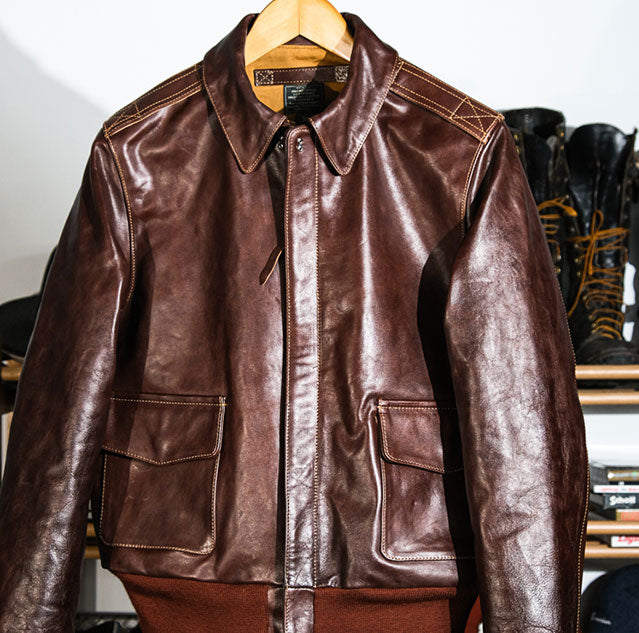
| 1931 | A-2 | U.S. Army Air Corps standard for fighter pilots. Horsehide or goatskin, snap-down shirt collar, flap pockets. Served 1931-1943. |
| 1934 | B-3 | Shearling sheepskin "heavy zone" jacket for bomber crews, standardized on May 8, 1934 and rated to about -50 F. |
| 1940s | G-1 | U.S. Navy and Marine Corps aviator standard with mouton collar and goatskin body. Still issued to Navy pilots today under spec MIL-DTL-7823. |
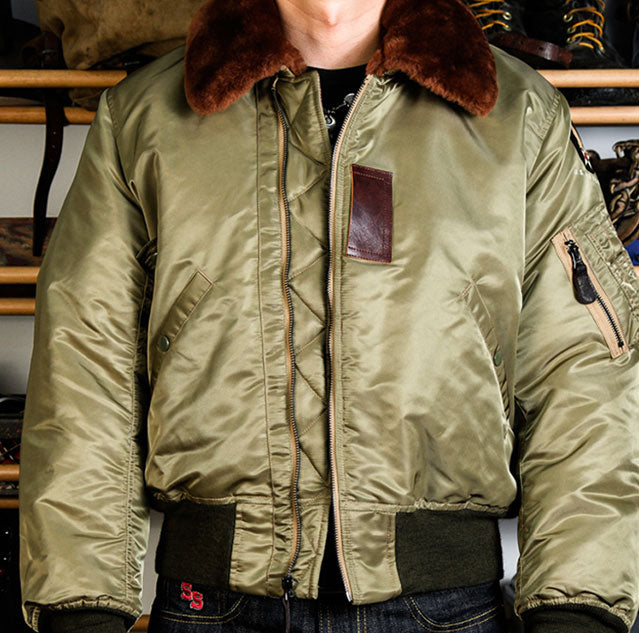
| Late 1940s | B-15 | Nylon transitional jacket with mouton collar, the bridge between leather and the nylon bomber era. |
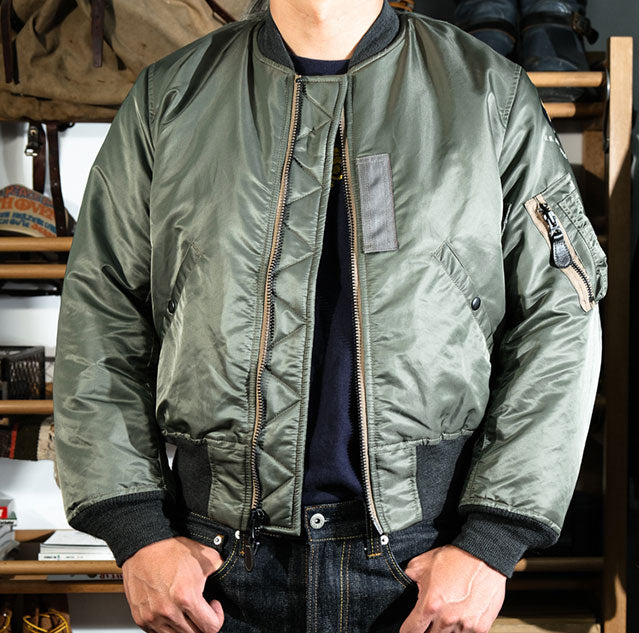
| 1955-1957 | MA-1 | U.S. Air Force intermediate-zone jacket under MIL-J-8279. Nylon shell, ribbed collar, reversible orange rescue lining. In service over 40 years. |
| 1980s | CWU-45/P | Modern flame-resistant Nomex flight jacket under MIL-J-83388B, worn by aircrews to this day. |
World War II made the leather flight jacket a symbol. The A-2 was worn by American fighter pilots across Europe and the Pacific, and after the war surplus jackets flooded civilian markets, where veterans, counterculture movements and Hollywood turned them into icons.
The nylon MA-1 followed the same path, becoming synonymous with 1980s punk culture and eventually one of the most copied outerwear silhouettes in fashion.
For the deeper story of how these garments moved from the battlefield into everyday wardrobes, read our piece on the history of leather jackets, and for the definitive account of the most famous model, our detailed A-2 flight jacket history.
The 6 Iconic Types of Flight Jackets Compared
The 6 Iconic Types of Flight Jackets Compared
Each flight jacket type was designed for a different mission: altitude, season and branch of service. Those differences decide which one suits you today. This table is the fastest way to see the field at a glance:
| Type | Material | Key Features | Best For |
|---|---|---|---|
| A-2 | Leather (horsehide / goatskin / cowhide) | Snap shirt collar, flap chest pockets, slim tailored fit | Mild to cool weather; the all-round heritage choice |
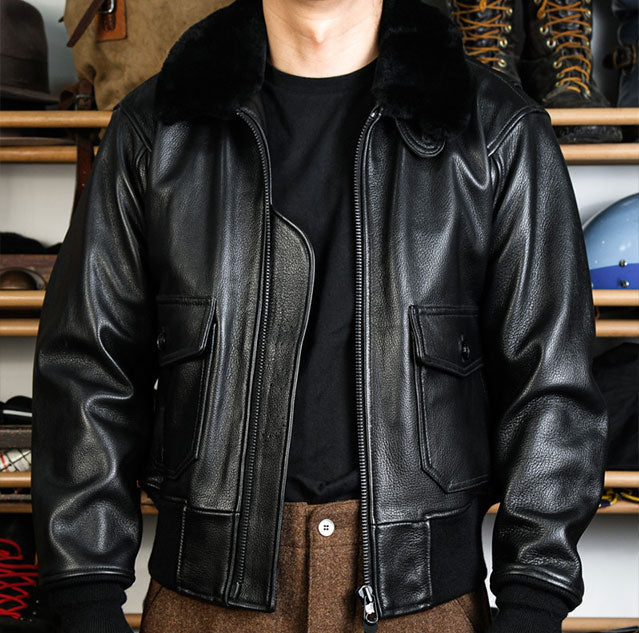
| G-1 | Goatskin with mouton collar | Fur collar, bi-swing back, storm flap, warmer build | Cool, damp coastal climates; smart-casual wear |
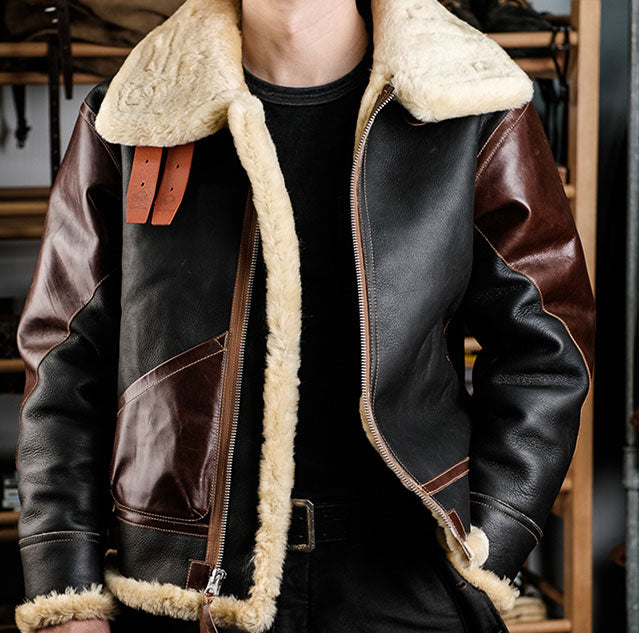
| B-3 | Shearling sheepskin (wool inside) | Tall buckled fur collar, heavy insulation, map pocket | Deep winter; the warmest flight jacket ever issued |
| B-15 | Nylon with mouton collar | Transitional bomber silhouette, fur collar | Collectors; the link between leather and nylon eras |
| MA-1 | High-density nylon with insulation | Ribbed collar, orange reversible lining, sleeve utility pocket | Intermediate temperatures, wet weather, streetwear |
| CWU-45/P | Nomex (flame-resistant) | Modern aircrew cut, high collar, zippered vents | Modern military styling and all-weather layering |
If you are shopping for a specific model, we have already gone deep on several of them: the A-2 flight jacket and its WWII heritage, the complete MA-1 guide, and the CWU-45/P with its 3M insulation upgrade. For the shearling side of the family, explore our sheepskin jacket collection or the signature black B-3 flight jacket.
A2 jacket
G1 jacket
B3 jacket
B15 jacket
MA-1 jacket

CWU-45/P jacket
Leather vs. Nylon Flight Jackets: Which Should You Buy?
The single biggest decision in a flight jacket purchase is the shell material, because it changes everything downstream: weight, warmth, care, and how the jacket looks in five years.
The single biggest decision in a flight jacket purchase is the shell material, because it changes everything downstream: weight, warmth, care, and how the jacket looks in five years.
Leather flight jackets (A-2, G-1, B-3) are heavier and warmer, develop a personal patina as they age, and are the heritage choice for anyone who wants a jacket that gets better with wear. They cost more, weigh more, and need occasional conditioning.
Nylon flight jackets (MA-1, B-15) are lighter, fully weather-resistant and nearly zero-maintenance: the practical choice for wet climates and everyday commuting, though they will never develop leather character.
The leather itself also matters. Horsehide is the densest and develops the most dramatic creasing; goatskin is lighter and tighter-grained while remaining tough; cowhide is the most affordable full-grain option.
If you are deciding between them, our horsehide vs. cowhide guide covers durability, patina and care in detail, and our article on why leather bomber jackets are so expensive explains what you are actually paying for.
How to Choose a Flight Jacket: A 6-Step Method
Choosing a flight jacket is about matching a military design to a modern life. Work through these steps in order and you will narrow the field quickly.
- Define your climate. If average winter lows stay above freezing, an A-2 covers nearly everything. For cold and damp coastal weather, choose a G-1 with its warmer mouton collar. For sustained sub-zero winters, only a shearling B-3 will do. For wet transitional weather and commuting, the nylon MA-1 is the strongest all-rounder.
- Choose your leather. Horsehide for maximum character and durability, goatskin for a lighter tighter grain, cowhide for value. Heritage reproductions use full-grain hides that age well.
- Decide the use. Daily urban wear favors the versatile A-2 or MA-1; a collector piece or deep-winter statement points to the B-3; riders often prefer the tougher A-2 or G-1 because of their abrasion-resistant leather.
- Check the fit, not just the size. Military sizing runs boxy and cropped; the shoulder seam and the waist length matter more than the chest number.
- Inspect the construction. Look for heavy-duty zippers, clean stitching, a proper lining and period-correct details. These separate a heritage jacket from a costume.
- Set a budget. A well-built leather flight jacket is a long-term purchase; investing in full-grain leather and solid hardware pays back in years of wear. Browse our curated flight jacket collection to see period-correct builds at honest prices.
How Should a Flight Jacket Fit?
A flight jacket should sit at or just below the natural waist, with the ribbed hem closing cleanly around your hips. The shoulder seam should fall exactly on the shoulder point, the chest should feel snug but allow a full range of motion, and the sleeves should end at the wrist bone so the knit cuffs can seal. Roominess lives in the chest and armholes, not in the length: if the jacket is baggy in the body, size down; if you cannot cross your arms, size up. Vintage military sizing charts differ from modern retail sizing, so always compare your chest and shoulder measurements against the brand chart rather than your usual jacket size. If you are not sure about the size you need, you can contact us and we will recommend the appropriate size for you.
How to Style a Flight Jacket?
The flight jacket is one of the most forgiving garments in menswear because its military proportions pair cleanly with almost anything. An A-2 over a white tee, selvedge denim and work boots is the classic heritage look; a G-1 with a roll-neck sweater and chinos reads smarter without losing the aviator edge; an MA-1 over a hoodie is the effortless streetwear formula. Leather jackets work especially well with denim, flannel and leather boots: textures that match the jacket weight.
For deeper outfit ideas, see our guides to vintage leather jacket styling and why every man needs a black aviator jacket.
How to Care for Your Flight Jacket?
A leather flight jacket is a decades-long companion if you treat it right. Keep it away from prolonged rain and direct heat, condition the leather once or twice a year with a quality conditioner, and store it on a wide hanger so the shoulders keep their shape. Shearling models need gentler treatment: brush the wool, never machine-wash, and have deep cleaning done by a specialist.
For step-by-step guidance, read our walkthrough on cleaning a B-3 bomber jacket and the difference between sheepskin and shearling.
Flight Jacket FAQ
What is a flight jacket?
A flight jacket is a short, waist-length outerwear garment originally designed for military pilots. It is defined by a cropped cut, ribbed knit cuffs and hem, a heavy-duty front zipper and functional pockets. The same family of garments is also called bomber jackets or aviator jackets.
What is the difference between a flight jacket and a bomber jacket?
In most usage the terms are interchangeable. "Flight jacket" is the formal military term, while "bomber jacket" is the broader civilian name for the same family of ribbed-hem, short-waisted jackets. Aviator jackets are the specific leather styles modeled directly on pilot flight gear, such as the A-2 and G-1.
What is the difference between an A-2 and a G-1 flight jacket?
The A-2 was the U.S. Army Air Corps fighter jacket: a slim leather bomber with a snap-down shirt collar and no fur. The G-1 is the U.S. Navy standard with a distinctive mouton fur collar, a bi-swing back and a warmer build. The G-1 is still issued to Navy pilots today under specification MIL-DTL-7823.
Which flight jacket is the warmest?
The B-3 shearling jacket. Its wool-lined sheepskin construction was designed for heavy bomber crews flying unpressurized aircraft at high altitude and is rated to roughly -50 F, making it the warmest flight jacket in U.S. military history.
Are flight jackets still in style in 2026?
Yes. The flight jacket is one of the most consistently in-style outerwear silhouettes of the past century, and interest is rising again: reported Google Trends data from September 2026 shows searches for "men bomber jacket outfit" up roughly 340% year over year.
How should a flight jacket fit?
It should sit at or just below the natural waist, with the shoulder seam on the shoulder point, a snug-but-roomy chest, and sleeves ending at the wrist bone. Military sizing differs from modern retail sizing, so measure your chest and shoulders and compare against the brand chart.
Do flight jackets run true to size?
Not necessarily. Vintage military sizing runs boxy and cropped, and modern reproductions vary by brand. Always measure your chest and shoulders and compare against the specific brand sizing chart instead of assuming your usual jacket size.
Can I wear a flight jacket for motorcycle riding?
A leather flight jacket like the A-2 or G-1 offers real abrasion resistance and is a legitimate choice for casual riding, but dedicated motorcycle gear with armor is safer for serious riding. If you want the style on two wheels, browse our motorcycle jackets collection.
Build Your Own Heritage Flight Jacket at Real Simons
Every flight jacket we make at Real Simons is cut to the original military patterns and built from full-grain leather: the same horsehide, goatskin and shearling the aircrews wore. Start with the flight jacket collection, explore the sheepskin jackets for winter, or the horsehide jackets if you want leather that ages with you. And if you want to know who we are and why we obsess over these details, read our brand story.